Tuesday, November 19, 2024

EOTO: Sundown Towns

Sundown towns in the United States excluded non-white people- almost always African Americans- from remaining in the town after sunset. These towns coexisted with the short period during the 1860s when African Americans had lost the rights that they had gained after the Civil War, but even more of these towns arose after the reconstruction era ended in 1890 to about 1968 when the Fair Housing Act was presented. 

The term “sundown town” stems from the various signs posted at city limits, most signages said something similar to “Don’t Let the Sun Go Down on You in ___.” These phrases made it very clear that African Americans were not welcome, and if they went against the warnings on the signs, they were risking their lives and faced the high possibility of death. What was once a simple way to tell African Americans to stay out of the city after dark became a way to describe cities and even states during the 1960s? In her memoir about the challenges of racism and the trauma she held, the late poet Maya Angelou described Mississippi by saying, “Don’t Let the Sun Set on You Here, Nigger, Mississippi”  In her memoir I Know Why the Caged Bird Sings. 

Around 1890, many towns and communities that had a population with a mixture of African Americans and White Americans, white people found ways to get rid of their black population. For example, when an African American was accused of doing a crime, they used that as an excuse to blame the whole black community for that individual's wrongdoings and then forced them out with violence and often went as far as committing arson. Other communities and towns simply became sundown towns through social and economic oppression. They often made it impossible for colored individuals to buy homes and land and made it relatively difficult for them to get the services needed from the city. Some sundown towns even went as far as signaling their status as a sundown town by sounding a loud siren at sunset. Most of the time, sundown policies were unwritten and unspoken, but nonetheless, they were understood, and the threat of violence was always present. 

There are many misconceptions about sundown towns, one misconception being that a sundown town is a place that had a racial incident happen, and that is how they gained the title. That is a false narrative, these towns are entire communities that purposely made sure they were “all white” for decades. I say “all white” with quotes because some towns allowed one black family to remain while they drove out the rest. But, they weren't just normal black families, these families tended to be servants, prisoners, or even interracial children that remained IN a white household and not on their own unless they were in jails, hospitals, or in colleges. Not only did these communities keep African Americans out, but they also kept out Chinese Americans, Jews, Mexican Americans, Mormons, and even Native Americans.

Another major misconception is the belief that sundown towns only existed in southern states. That is not true because Sundown Towns existed all over the United States, and there were once over 2,400 sundown towns in the United States, and at least 644 of them were located in the midwest. 

A city I would like to use as my example is Edmond, Oklahoma. Edmond is about 22 minutes outside of Oklahoma City. This Sundown Town was described as a 100% white town in the 1920s. 

As we can see in this photo, many businesses in town used this message in their advertisement. One company, Royce Cafe, was one of the most popular restaurants in Edmond from the 1930s up until 1970. In the postcard that they used to promote their business, they also promoted Edmond as the ideal place to live. If you can’t see, the postcard brags that the town has 6,000 citizens and none of which are negros. This postcard has been circulated for decades and is visual proof that Edmond was a sundown town, and many other cities used tactics such as this to boast the fact that they are proud sundown towns. 

In this next photo, we can see what is referred to as a “newcomer’s guide,” which was given to new residents when they moved to the town. Just like the postcard, the statistics side of this article highlights the fact that there is an estimation of 7,500 residents, 100% white, and absolutely no negros. 

The last image we have is a letter that came from the Edmond Chamber of Commerce. On their letterhead, they advertise Edmond as “A Good Place to Live” and is located “In the Center of the White Spot of the Universe,” once again highlighting the fact that the town had no negros. 

This is just one of the many towns that were loud and proud racist.​​ To this day, we still have sundown towns in the US. But, keep in mind there are no sundown towns in the sense of LEGALLY or publicly excluding any residents who are not white.


Sunday, November 3, 2024

In the Heat of the Night πŸ”₯πŸŒ‘

πšƒπš‘πšŽ πš–πš˜πšŸπš’πšŽ π™Έπš— πšπš‘πšŽ π™·πšŽπšŠπš 𝚘𝚏 πšπš‘πšŽ π™½πš’πšπš‘πš πšπšŠπšŒπš”πš•πšŽπšœ πšπš‘πšŽ πš›πšŠπšŒπš’πšŠπš• πšŠπš—πš πšœπš˜πšŒπš’πšŠπš• πš’πšœπšœπšžπšŽπšœ 𝚘𝚏 πšπš‘πšŽ 1960𝚜. 


π™Ώπš•πšŽπšœπšœπš’ πš… π™΅πšžπš›πšπšŽπšœπš˜πš— 𝚜𝚞𝚐𝚐𝚎𝚜𝚝𝚎𝚍 πšπš‘πšŠπš 𝚜𝚎perate but equal could work without πš’πš—πšŽπššπšžπšŠπš•πš’πšπš’, πš‹πšžπš πšπš‘πš’πšœ πšπš’πš•πš– πš‘πš’πšπš‘πš•πš’πšπš‘πšπšœ πšπš‘πšŽ πš›πšŽπšŠπš•πš’πšπš’πšŽπšœ 𝚘𝚏 𝚊 πšœπš˜πšŒπš’πšŽπšπš’ πšπš‘πšŠπš πš’πšœ πš›πšŠπšŒπš’πšŠπš•πš•πš’ πšœπšŽπšπš›πšŽπšπšŠπšπšŽπš. πšƒπš‘πšŽ πšπš’πš•πš– 𝚠𝚊𝚜 𝚜𝚎𝚝 πš’πš— πš‚πš™πšŠπš›πšπšŠ, π™Όπš’πšœπšœπš’πšœπšœπš’πš™πš™πš’, πšŠπš—πš πšπš‘πšŽ πšŒπš˜πš–πš–πšžπš—πš’πšπš’ 𝚘𝚏 πš‚πš™πšŠπš›πšπšŠ πš–πšŠπšπšŽ πšœπšžπš›πšŽ πšπš‘πšŠπš πšπš‘πš’πšœ πšœπšžπšπšπšŽπšœπšπš’πš˜πš— 𝚠𝚊𝚜 πš—πš˜πšπš‘πš’πš—πš πš–πš˜πš›πšŽ πšπš‘πšŠπš— 𝚊 πš•πš’πšŽ πšŠπš—πš 𝚊 πšŒπš›πšžπšŽπš• πš“πš˜πš”πšŽ πš πš‘πšŽπš— πš’πš πšŒπšŠπš–πšŽ 𝚝𝚘 π™°πšπš›πš’πšŒπšŠπš— π™°πš–πšŽπš›πš’πšŒπšŠπš—πšœ. The film powerfully shows how the town's white establishment made sure African Americans understood their place in this so-called "separate but equal" society - disrespected, demeaned, and unequal. 

When the main character, Virgil Tibbs, a black detective from Philadelphia, comes into town, where racism runs deep, he quickly sees that the so-called "separate but equal" plan is nothing more than a facade. Instead of finding a place where he can fit in and do his job as an African American Male, he faces a system that is set against him. The local executives, especially Chief Gillespie, perfectly represent the ingrained prejudice of the town. Through Tibbs' point of view, it is clear how the town treats its black citizens- disrespect and degradation that completely undermines the true essence of equality.

Although Virgil and the Chief have a rough start, their relationship starts to transition throughout the film. At first, Gillespie perfectly represents and embodies the deep-rooted racism of the South, by viewing Virgil with suspicion and not holding him to the level of respect that he deserved. But while Gillespie has a negative attitude, Virgil does not, he shows him respect and remains professional. As they continue to work together on the case, Gillespie slowly begins to see Virgil as the skilled detective he is and does not just recognize Virgil's detective skills but also his humanity, regardless of his race.

The shift in their relationship mirrors the changes happening in society, showing that even in a divided society, people can learn to see past their prejudiced mindsets and recognize the humanity of others, πšœπš‘πš˜πš ing πšπš‘πšŠπš πšπšŽπšœπš™πš’πšπšŽ πšœπš˜πšŒπš’πšŽπšπšŠπš• πš—πš˜πš›πš–πšœ πšŠπš—πš πš‘πšŠπšŸπš’πš—πš 𝚊 πšπš’πšŸπš’πšπšŽπš πšœπš˜πšŒπš’πšŽπšπš’ 𝚠𝚎 πšŒπšŠπš— πšœπšπš’πš•πš• πšπšŠπš”πšŽ πšπš‘πšŽ πšπš’πš–πšŽ 𝚝𝚘 πšžπš—πšπšŽπš›πšœπšπšŠπš—πš πš˜πšπš‘πšŽπš›πšœ' πšœπšπš›πšžπšπšπš•πšŽπšœ πšŠπš—πš 𝚠𝚎 πšŒπšŠπš— πš›πšŽπšœπš™πšŽπšŒπš πš˜πšžπš› πšπš’πšπšπšŽπš›πšŽπš—πšŒπšŽπšœ 𝚊𝚜 πš πšŽπš•πš• 𝚊𝚜 πš’πš—πšπš’πšŸπš’πšπšžπšŠπš•πšœ πš πš‘πš˜ πšŠπš›πšŽ πšπš’πšπšπšŽπš›πšŽπš—πš. 

However, the film shows their relationship moving fast-paced, and transforming in the course of a few days, the reality in the Jim Crow South was much longer and violent. It was not until years later that white individuals started to accept that African Americans deserved equal opportunities and respect- and that they were just as capable as they were. And even today, some individuals still struggle to understand the fact that we share a common humanity regardless of race.

However, the film shows their relationship moving fast-paced, and transforming in the course of a few days, the reality in the Jim Crow South was much longer and violent. It was not until years later that white individuals started to accept that African Americans deserved equal opportunities and respect- and that they were just as capable as they were. And even today, some individuals still struggle to understand the fact that we share a common humanity regardless of race.

The Heat of the Night is more than just a film, it is a powerful masterpiece that mentions the themes of race, justice, and humanity. The film offered a peek into life in the 1960s, showing viewers how far society has progressed, breaking down the myth of "separate but equal." The film forces viewers to recognize the harsh The Heat of the Night is more than just a film, it is a powerful masterpiece that mentions the themes of race, justice, and humanity. The film offered a peek into life in the 1960s, showing viewers how far society has progressed, breaking down the myth of "separate but equal." The film forces viewers to recognize the harsh realities and cruel struggles of that era, making an impactful and lasting message. Realities and cruel struggles of that era, making an impactful and lasting message. 

As we reflect on this movie, it is clear that the fight for justice and women's reproductive rights has not ended and is more urgent than ever now. It is on us to educate ourselves and others about these issues and spread awareness to ensure that history does not repeat itself.

Tuesday, October 29, 2024

Reconstruction Era EOTO

Reconstruction Panorama: Reconstruction post-Civil War scene advertising poster


The topic of today's each-teach-one presentation was the reconstruction era. We learned about the bad, the good, and the in-between. 

The reconstruction era was the period after the American Civil War. This period was aimed at reorganizing the southern states after the Civil War. Just like every era in the USA, it had positives and negatives.


To start with the good things this era had to offer we discussed “Forty Acres and a Mule.”

This was a promise made by General Sherman for land distribution. They stated that 400,000 acres would be given to African American families. The plan was to take the land away from wealthy confederates to financially harm them.

Black leaders in Georgia felt that this would give freed families a place to escape discrimination and help them establish economic independence. 

Although this plan was on the right track it became a promise that was not kept. After the assassination of Abraham Lincoln, President Andrew Johnson rescinded the agreement and returned the 400,000 acres of land to the Confederate owners. 


Next, we discussed the amendments that were brought upon during the reconstruction era.

The first amendment was the thirteenth amendment, this amendment was set in place to abolish slavery because, at the end of the Civil War, it was still allowed. 

The next amendment was the Fourteenth Amendment, this amendment was set in place and granted legal citizenship and equal and civil rights to anyone who is born in the United States or has become a Citizen of the United States. 

The last amendment was the Fifteenth Amendment, this amendment was set in place to grant African American men the right to vote. 


The last “positive” thing we discussed was the Civil Rights Act of 1875. This act was set in place to guarantee all citizens, regardless of their skin color, access to public accommodations and the right to be included in jury duty. This law made history as the first accommodation law passed in the United States. 


Moving on to the negatives we first discussed the assassination of Abraham Lincoln

The death of Lincoln caused national grief and ended the possibility of peace, disarrayed the government, and even began a manhunt for his assassin, and his death even erased the progress of reconstruction like the 40 acres and a mule for example. 


Next, we discussed black codes. Black codes varied from state to state and they placed restrictions on Black Labor, Property, and Suffrage. 

These codes granted some civil rights such as the ability to marry and make contracts, yet they were denied the right to vote, serve on juries, and testify against white people.  

Then there were labor contracts, these contracts were required to be signed by African Americans, and they could be arrested, fined, or forced into unpaid labor if they refused to sign it. This also led to vagrancy laws, which meant black people could be arrested for being unemployed. And then many misdemeanors were treated as felonies, with harsh sentences and fines. 

We also discussed the Ku Klux Klan, or the KKK for short. They are a white supremacist hate group that is still around to this day. The organization was founded immediately after the Civil War.

The Klan wanted to overthrow the republican government and they chose the tactic of intimidating voters and especially targeted violence towards African Americans. 

The members of the Klansmen were individuals who hid in plain sight. And even adopted the name of the “Invisible Empire of The South.”


All in all the eoto was very informative and I learned new things as well as learning more information about the topics that we breezed over in school.


Sunday, October 27, 2024

Plessy V Ferguson Historical Claim

π™Άπš˜πš˜πš π™°πšπšπšŽπš›πš—πš˜πš˜πš—, πš’πš˜πšžπš› πš‘πš˜πš—πš˜πš›. πš‚πšŽπšπš›πšŽπšπšŠπšπš’πš˜πš— πš’πšœ πš—πš˜πš πšŠπš— 𝚊𝚌𝚝 𝚘𝚏 πš’πš—πš“πšžπšœπšπš’πšŒπšŽ πš‹πšžπš πš›πšŠπšπš‘πšŽπš› 𝚊 πš—πšŽπšŒπšŽπšœπšœπšŠπš›πš’ πšœπšπš›πšžπšŒπšπšžπš›πšŽ πšπš‘πšŠπš πš‘πšŠπšœ πš–πšŠπš’πš—πšπšŠπš’πš—πšŽπš πšπš‘πšŽ πšœπšπšŠπš‹πš’πš•πš’πšπš’ πšŠπš—πš πš˜πš›πšπšŽπš› 𝚘𝚏 πš˜πšžπš› πšœπš˜πšŒπš’πšŽπšπš’ πšπš˜πš› πšπšŽπš—πšŽπš›πšŠπšπš’πš˜πš—πšœ.   


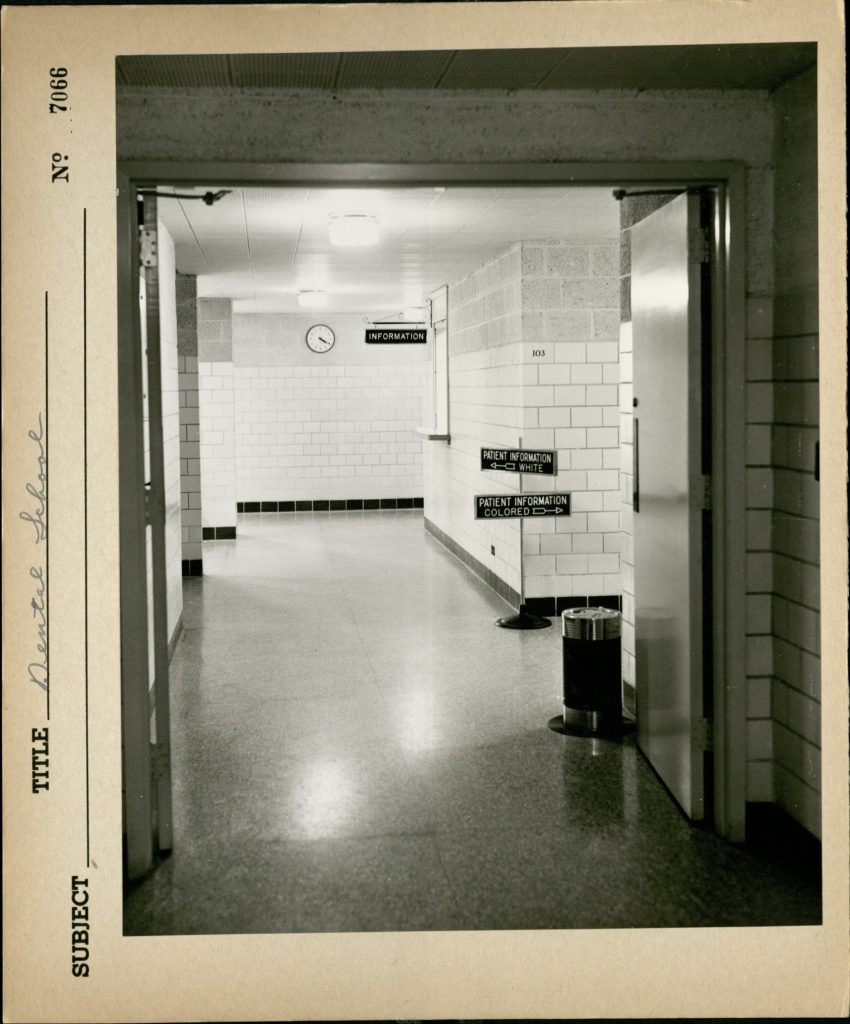
Hallway in the UNC School of Dentistry. Signs point to "Patient Information White" and "Patient Information Colored."


π™΄πš•πš’πš–πš’πš—πšŠπšπš’πš—πš πšœπšŽπšπš›πšŽπšπšŠπšπš’πš˜πš— πš πš˜πšžπš•πš πš—πš˜πš πš‹πšŽ πšπš‘πšŽ πš‹πšŽπšœπš πšπš’πš πšπš˜πš› πšπš‘πšŽ πš πš˜πš›πš•πš, 𝚊𝚝 πš•πšŽπšŠπšœπš πš—πš˜πš πš›πš’πšπš‘πš πš—πš˜πš . πšƒπš‘πšŽ π™²πš˜πš—πšœπšπš’πšπšžπšπš’πš˜πš— 𝚍𝚘𝚎𝚜 πš—πš˜πš πš›πšŽπššπšžπš’πš›πšŽ π™°πšπš›πš’πšŒπšŠπš— π™°πš–πšŽπš›πš’πšŒπšŠπš—πšœ πšŠπš—πš πš πš‘πš’πšπšŽπšœ 𝚝𝚘 πš›πš’πšπšŽ πš’πš— πšπš‘πšŽ πšœπšŠπš–πšŽ πšπš›πšŠπš’πš— πšŒπšŠπš›πš, 𝚐𝚘 𝚝𝚘 πšœπšŒπš‘πš˜πš˜πš• πšπš˜πšπšŽπšπš‘πšŽπš›, πš˜πš› 𝚎𝚊𝚝 πš’πš— πšπš‘πšŽ πšœπšŠπš–πšŽ πš›πšŽπšœπšπšŠπšžπš›πšŠπš—πšπšœ. πšƒπš‘πšŽ 𝚊𝚌𝚝 𝚘𝚏 πšœπšŽπšπš›πšŽπšπšŠπšπš’πš˜πš— πš’πšœ πš—πš˜πš πš‘πšžπš›πšπš’πš—πš πš πš‘πš’πšπšŽ πš˜πš› πš‹πš•πšŠπšŒπš” πš™πšŽπš˜πš™πš•πšŽ 𝚜𝚘 πš™πšŽπš›πš‘πšŠπš™πšœ 𝚠𝚎 πšœπš‘πš˜πšžπš•πš πš•πšŽπšŠπšŸπšŽ πšπš‘πš’πš—πšπšœ πšπš‘πšŽ 𝚠𝚊𝚒 πšπš‘πšŽπš’ πšŠπš›πšŽ πš‹πšŽπšŒπšŠπšžπšœπšŽ πšŽπšŸπšŽπš›πš’πšπš‘πš’πš—πš πšœπšŽπšŽπš–πšœ 𝚝𝚘 πš‹πšŽ πš πš˜πš›πš”πš’πš—πš πšπš’πš—πšŽ. 


πšƒπš‘πšŽ πšœπšŽπš™πšŠπš›πšŠπšπš’πš˜πš— 𝚘𝚏 πš‹πš•πšŠπšŒπš”πšœ πšŠπš—πš πš πš‘πš’πšπšŽπšœ πšœπš‘πš˜πšžπš•πš πš‹πšŽ πš•πšŽπšπš 𝚝𝚘 πšπš‘πšŽ 𝚜𝚝𝚊𝚝𝚎𝚜 πšŠπš—πš πšπš‘πšŽπš’ πšœπš‘πš˜πšžπš•πš πš‹πšŽ πšŠπš‹πš•πšŽ 𝚝𝚘 πšπšŽπšŒπš’πšπšŽ πšπš‘πšŽ πš—πš˜πš›πš–πšœ πšπš˜πš› πšπš‘πšŽπš’πš› 𝚜𝚝𝚊𝚝𝚎𝚜 πšŠπš—πš πšπš‘πšŽ πšŒπš˜πšžπš—πšπš’πšŽπšœ πš πš’πšπš‘πš’πš—. π™Έπš πšπš‘πšŽ πšπšŽπšπšŽπš›πšŠπš• πšπš˜πšŸπšŽπš›πš—πš–πšŽπš—πš πš’πš–πš™πš˜πšœπšŽπšœ 𝚊 πš˜πš—πšŽ-πšœπš’πš£πšŽ-πšπš’πšπšœ-πšŠπš•πš• πš•πšŠπš  πš πš‘πšŽπš— πš’πš πšŒπš˜πš–πšŽπšœ 𝚝𝚘 πšœπšŽπšπš›πšŽπšπšŠπšπš’πš˜πš— πš’πš πš πš’πš•πš• πš—πš˜πš πš‹πšŽ πšŽπšπšπšŽπšŒπšπš’πšŸπšŽ πš‹πšŽπšŒπšŠπšžπšœπšŽ πšŽπšŠπšŒπš‘ 𝚜𝚝𝚊𝚝𝚎 πš‘πšŠπšœ πšπš’πšπšπšŽπš›πšŽπš—πš πšŒπšžπš•πšπšžπš›πšŠπš• πšŠπš—πš πšœπš˜πšŒπš’πšŠπš• πš—πšŽπšŽπšπšœ.  


πš†πš‘πš’πšπšŽ πš™πšŽπš˜πš™πš•πšŽ πšŠπš›πšŽ πš–πšŠπš”πš’πš—πš 𝚊 𝚐𝚘𝚘𝚍-πšπšŠπš’πšπš‘ πšŽπšπšπš˜πš›πš 𝚝𝚘 πšŽπššπšžπšŠπš•πš’πš£πšŽ πšπš‘πšŽ 𝚝𝚠𝚘 πšŽπšπšžπšŒπšŠπšπš’πš˜πš— πšœπš’πšœπšπšŽπš–πšœ. π™·πš˜πš πšŽπšŸπšŽπš›, πšœπš’πš—πšŒπšŽ πš‹πš•πšŠπšŒπš” πš™πšŽπš˜πš™πš•πšŽ πšŠπš›πšŽ πšœπšπš’πš•πš• πš•πš’πšŸπš’πš—πš πš πš’πšπš‘ πšπš‘πšŽ 𝚎𝚏𝚏𝚎𝚌𝚝𝚜 𝚘𝚏 πšœπš•πšŠπšŸπšŽπš›πš’, πš’πš πš πš’πš•πš• πšπšŠπš”πšŽ πšœπš˜πš–πšŽ πšπš’πš–πšŽ πš‹πšŽπšπš˜πš›πšŽ πšπš‘πšŽπš’ πšŠπš›πšŽ πšŽπšŸπšŽπš— πšŠπš‹πš•πšŽ 𝚝𝚘 πšŒπš˜πš–πš™πšŽπšπšŽ πš πš’πšπš‘ πš πš‘πš’πšπšŽ πšŒπš‘πš’πš•πšπš›πšŽπš— πš’πš— πšπš‘πšŽ πšœπšŠπš–πšŽ πšŒπš•πšŠπšœπšœπš›πš˜πš˜πš– πš–πšŠπš”πš’πš—πš πš’πš πš™πš˜πš’πš—πšπš•πšŽπšœπšœ πšπš˜πš› πš πš‘πš’πšπšŽ πšŠπš—πš πš‹πš•πšŠπšŒπš” πšŒπš‘πš’πš•πšπš›πšŽπš— 𝚝𝚘 πš‹πšŽ πš’πš— πšπš‘πšŽ πšœπšŠπš–πšŽ πšŒπš•πšŠπšœπšœ.

π™΄πš—πšπš’πš—πš πšœπšŽπšπš›πšŽπšπšŠπšπš’πš˜πš— πš–πšŠπš’ πšŠπš•πšœπš˜ πš›πšŠπš’πšœπšŽ πš™πš›πš˜πš‹πš•πšŽπš–πšœ πšŒπš˜πš—πšŒπšŽπš›πš—πš’πš—πš πšπš‘πšŽ 𝚜𝚊𝚏𝚎𝚝𝚒 𝚘𝚏 πš πš‘πš’πšπšŽ π™°πš–πšŽπš›πš’πšŒπšŠπš— πš’πš—πšπš’πšŸπš’πšπšžπšŠπš•πšœ. π™Άπš’πšŸπšŽπš— πšπš‘πšŽπš–, πšπš‘πšŽπš– πš‹πšŽπš’πš—πš π™°πšπš›πš’πšŒπšŠπš— π™°πš–πšŽπš›πš’πšŒπšŠπš—πšœ, πš–πš˜πš›πšŽ πš™πš˜πš πšŽπš› πš πš˜πšžπš•πš πš•πšŽπšŠπš 𝚝𝚘 πšπš‘πšŽ πšπš˜πš πš—πšπšŠπš•πš• 𝚘𝚏 πšπš‘πšŽ πš‚πš˜πšžπšπš‘. π™°πšπš›πš’πšŒπšŠπš— π™°πš–πšŽπš›πš’πšŒπšŠπš—πšœ πš πš’πš•πš• πšπšŠπš”πšŽ πš–πš˜πš›πšŽ πšπš‘πšŠπš— πš πš‘πšŠπš πšπš‘πšŽπš’ πšŠπš›πšŽ πšπš’πšŸπšŽπš— πšŠπš—πš πšπšžπš›πš— πš˜πš— 𝚞𝚜 πš πš‘πš’πšπšŽ π™°πš–πšŽπš›πš’πšŒπšŠπš—πšœ 𝚊𝚜 𝚊 πšπš˜πš›πš– 𝚘𝚏 πš›πšŽπšπšŠπš•πš’πšŠπšπš’πš˜πš— πšπš˜πš› πš πš‘πšŠπš πš‘πšŠπš™πš™πšŽπš—πšŽπš 𝚝𝚘 πšπš‘πšŽπš’πš› πšŠπš—πšŒπšŽπšœπšπš˜πš›πšœ πš’πš— πšπš‘πšŽ πš™πšŠπšœπš πšŠπš—πš πš–πšŠπš’ πšπšŠπš”πšŽ πš’πš 𝚘𝚞𝚝 πš˜πš— 𝚞𝚜 𝚊𝚜 πš πšŽπš•πš• 𝚊𝚜 πš˜πšžπš› πšŒπš‘πš’πš•πšπš›πšŽπš—. 

πšƒπš‘πšŽ πšœπšŽπš™πšŠπš›πšŠπšπš’πš˜πš— 𝚘𝚏 πš‹πš•πšŠπšŒπš”πšœ πšŠπš—πš πš πš‘πš’πšπšŽπšœ πš‘πšŠπšœ πš•πš˜πš—πš πš‹πšŽπšŽπš— 𝚊 πš™πšŠπš›πš 𝚘𝚏 πš˜πšžπš› πš•πšŠπš  πšŠπš—πš 𝚠𝚎 πšœπš‘πš˜πšžπš•πš πšπš˜πš•πš•πš˜πš  πšπš‘πšŽ πš πš’πšœπšπš˜πš– 𝚘𝚏 πšπš‘πšŽπšœπšŽ πšŠπš—πšŒπš’πšŽπš—πš πš•πšŠπš πšœ. πšƒπš‘πšŽπšœπšŽ πš•πšŠπš πšœ 𝚜𝚎𝚝 πš’πš— πš™πš•πšŠπšŒπšŽ πš‘πšŠπšŸπšŽ πšŒπš›πšŽπšŠπšπšŽπš 𝚊 πšœπšπš›πšžπšŒπšπšžπš›πšŽ 𝚘𝚏 πš‘πš˜πš  πš•πš’πšπšŽ πšœπš‘πš˜πšžπš•πš πš‹πšŽ πšŠπš—πš πšŒπš‘πšŠπš—πšπš’πš—πš πšπš‘πšŽ πšœπš’πšœπšπšŽπš– πš πš’πš•πš• πšπšŠπš”πšŽ 𝚊𝚠𝚊𝚒 πšπš‘πšŽ πšπš˜πšžπš—πšπšŠπšπš’πš˜πš— πšπš‘πšŠπš πš˜πšžπš› πšŠπš—πšŒπšŽπšœπšπš˜πš›πšœ πš πš˜πš›πš”πšŽπš πš‘πšŠπš›πš 𝚝𝚘 πšŒπš›πšŽπšŠπšπšŽ. 

When Democrats in Congress Tried to Ban Interracial Marriage – Broadstreet

π™»πšŽπš’𝚜 πšπšŠπš”πšŽ π™°πš—πšπš’-πš–πš’πšœπšŒπšŽπšπšŽπš—πšŠπšπš’πš˜πš— πš•πšŠπš πšœ πšπš˜πš› πšŽπš‘πšŠπš–πš™πš•πšŽ, πšπš‘πšŽπšœπšŽ πš•πšŠπš πšœ πš–πšŠπšπšŽ πš’πš πš’πš•πš•πšŽπšπšŠπš• πšπš˜πš› πš™πšŽπš˜πš™πš•πšŽ 𝚘𝚏 πšπš’πšπšπšŽπš›πšŽπš—πš πš›πšŠπšŒπšŽπšœ 𝚝𝚘 πš–πšŠπš›πš›πš’ πš˜πš› πš‘πšŠπšŸπšŽ πš’πš—πšπš’πš–πšŠπšπšŽ πš›πšŽπš•πšŠπšπš’πš˜πš—πšœπš‘πš’πš™πšœ. πšƒπš‘πšŽπšœπšŽ πš•πšŠπš πšœ πš‘πšŠπšŸπšŽ πš‹πšŽπšŽπš— πš’πš— πš™πš•πšŠπšŒπšŽ πšœπš’πš—πšŒπšŽ πšπš‘πšŽ πšŽπšŠπš›πš•πš’ 1700𝚜 πš’πš— πš–πšŠπš—πš’ 𝚜𝚝𝚊𝚝𝚎𝚜 πšŠπš—πš πšπš‘πšŽπš’ πš‘πšŠπšŸπšŽ πš–πšŠπš’πš—πšπšŠπš’πš—πšŽπš πš˜πš›πšπšŽπš› πšŠπš—πš πšπš›πšŠπšπš’πšπš’πš˜πš— πš’πš— πš˜πšžπš› πšœπš˜πšŒπš’πšŽπšπš’. πšƒπš‘πšŽ πšœπšŽπš™πšŠπš›πšŠπšπš’πš˜πš— 𝚘𝚏 πšŒπš˜πš•πš˜πš›πšŽπš πšŠπš—πš πš πš‘πš’πšπšŽπšœ πš‘πšŠπšœ πšŠπš•πš›πšŽπšŠπšπš’ πš™πš›πš˜πšŸπšŽπš πšπš‘πšŠπš πšπš‘πšŽπš›πšŽ πš’πšœ πš—πš˜ πš‘πšŠπš›πš– πš’πš— πšπš‘πšŽ πšπš˜πš›πš–πšŠπšπš’πš˜πš— 𝚘𝚏 πšŒπš˜πš–πš–πšžπš—πš’πšπš’πšŽπšœ πšπš˜πš› πš‹πš˜πšπš‘.


π™ΆπšŠπš•πšŸπšŽπšœπšπš˜πš—, πšƒπšŽπš‘πšŠπšœ, πš˜πšπšπšŽπš— πš›πšŽπšπšŽπš›πš›πšŽπš 𝚝𝚘 𝚊𝚜 πšπš‘πšŽ “πš†πšŠπš•πš• πš‚πšπš›πšŽπšŽπš 𝚘𝚏 πšπš‘πšŽ πš‚πš˜πšžπšπš‘”, πš’πšœ 𝚊 πšπš›πšŽπšŠπš πšŽπš‘πšŠπš–πš™πš•πšŽ 𝚘𝚏 πš‘πš˜πš  πšœπšŽπšπš›πšŽπšπšŠπšπš’πš˜πš— πšπš’πšŸπšŽπšœ πš‹πš˜πšπš‘ πš†πš‘πš’πšπšŽ π™°πš–πšŽπš›πš’πšŒπšŠπš—πšœ πšŠπš—πš π™°πšπš›πš’πšŒπšŠπš— π™°πš–πšŽπš›πš’πšŒπšŠπš—πšœ πšπš‘πšŽ πš˜πš™πš™πš˜πš›πšπšžπš—πš’πšπš’ 𝚝𝚘 πšπš‘πš›πš’πšŸπšŽ πš’πš— πšπš‘πšŽπš’πš› πšŒπš˜πš–πš–πšžπš—πš’πšπš’πšŽπšœ πšœπšŽπš™πšŠπš›πšŠπšπšŽπš•πš’. π™ΆπšŠπš•πšŸπšŽπšœπšπš˜πš— πšπšŠπš’πš—πšŽπš πš’πšπšœ πš—πš’πšŒπš”πš—πšŠπš–πšŽ πš‹πšŽπšŒπšŠπšžπšœπšŽ πš’πš πš’πšœ 𝚊 πš™πš˜πš›πš πšŒπš’πšπš’ πšŠπš—πš 𝚊 πš–πšŠπš“πš˜πš› πšŒπš˜πš–πš–πšŽπš›πšŒπš’πšŠπš• πš‘πšžπš‹.

πšƒπš‘πšŽ π™°πšπš›πš’πšŒπšŠπš— π™°πš–πšŽπš›πš’πšŒπšŠπš— πš™πš˜πš™πšžπš•πšŠπšπš’πš˜πš— πš‘πšŠπšœ πš‹πšžπš’πš•πš πšπš‘πš›πš’πšŸπš’πš—πš πšŒπš˜πš–πš–πšžπš—πš’πšπš’πšŽπšœ πšπš‘πšŽπš›πšŽ πšŽπšŸπšŽπš— πšπš‘πš˜πšžπšπš‘ πšπš‘πšŽπš’ 𝚝𝚘𝚘 πš‘πšŠπšŸπšŽ 𝚝𝚘 πš•πš’πšŸπšŽ πš πš’πšπš‘ πšœπšŽπšπš›πšŽπšπšŠπšπš’πš˜πš—. πšƒπš‘πšŽπš’ πš‘πšŠπšŸπšŽ πš‹πšŽπšŽπš— πš™πš›πš˜πšŸπš’πšπšŽπš πš πš’πšπš‘ πš—πšžπš–πšŽπš›πš˜πšžπšœ πš˜πš™πš™πš˜πš›πšπšžπš—πš’πšπš’πšŽπšœ πšπš˜πš› πš“πš˜πš‹πšœ πš‹πšŽπšŒπšŠπšžπšœπšŽ πšπš‘πšŽπš›πšŽ πšŠπš›πšŽ πš–πšŠπš—πš’ πš‹πš•πšŠπšŒπš”-πš˜πš πš—πšŽπš πšœπš‘πš˜πš™πšœ, πš›πšŽπšœπšπšŠπšžπš›πšŠπš—πšπšœ, πšŠπš—πš πšœπšŽπš›πšŸπš’πšŒπšŽπšœ πšπš‘πšŠπš πšŠπš›πšŽ πšŒπšžπš›πš›πšŽπš—πšπš•πš’ πšπš‘πš›πš’πšŸπš’πš—πš πš’πš— πšπš‘πšŽπš’πš› πšŒπš˜πš–πš–πšžπš—πš’πšπš’. πšƒπš‘πš’πšœ πšŒπš˜πš–πš–πšžπš—πš’πšπš’ πš’πšœ πš™πš›πš˜πš˜πš πšπš‘πšŠπš πšœπšŽπšπš›πšŽπšπšŠπšπš’πš˜πš— πšŒπšŠπš— πš πš˜πš›πš” πš’πš— πšπš‘πšŽ πšπšŠπšŸπš˜πš› 𝚘𝚏 πš‹πš˜πšπš‘ πš‹πš•πšŠπšŒπš”πšœ πšŠπš—πš πš πš‘πš’πšπšŽπšœ πšŠπš—πš πšŠπš•πš•πš˜πš  πš‹πš˜πšπš‘ πšŒπš˜πš–πš–πšžπš—πš’πšπš’πšŽπšœ 𝚝𝚘 πšœπšŽπš™πšŠπš›πšŠπšπšŽ 𝚜𝚘 πšπš‘πšŽπš’ πšŒπšŠπš— πš‹πš˜πšπš‘ πšπš•πš˜πšžπš›πš’πšœπš‘.

π™Έπš— πšŒπš˜πš—πšŒπš•πšžπšœπš’πš˜πš— πš’πš˜πšžπš› πš‘πš˜πš—πš˜πš›, 𝙸 πšŠπšœπš” πšπš˜πš› 𝚒𝚘𝚞 𝚝𝚘 πšŒπš˜πš—πšœπš’πšπšŽπš› πšπš‘πšŽ 𝚏𝚊𝚌𝚝 πšπš‘πšŠπš πšœπšŽπšπš›πšŽπšπšŠπšπš’πš˜πš— πš’πšœ πš—πšŽπšŒπšŽπšœπšœπšŠπš›πš’ πš‹πšŽπš’πš—πš πšπš‘πšŠπš πšπš‘πšŽ πšœπšπš›πšžπšŒπšπšžπš›πšŽ 𝚘𝚏 πš˜πšžπš› πšœπšπšŠπš‹πš•πšŽ πšœπš˜πšŒπš’πšŽπšπš’ πš‘πšŠπšœ πš‹πšŽπšŽπš— πš‹πšžπš’πš•πš πš˜πš— πšπš‘πšŽ πšπš˜πšžπš—πšπšŠπšπš’πš˜πš— 𝚘𝚏 πš’πš. π™°πšœ 𝚠𝚎 πš‘πšŠπšŸπšŽ πš•πšŽπšŠπš›πš—πšŽπš 𝚝𝚘𝚍𝚊𝚒, πšœπšŽπšπš›πšŽπšπšŠπšπš’πš˜πš— 𝚍𝚘𝚎𝚜 πš—πš˜πš πš–πšŽπšŠπš— πš’πš—πšπšŽπš›πš’πš˜πš›πš’πšπš’, πš’πš πš–πšŽπšŠπš—πšœ πšœπšŽπš™πšŠπš›πšŠπšπš’πš˜πš—. 

πš†πšŽ πš–πšžπšœπš πšŠπš•πš•πš˜πš  π™°πšπš›πš’πšŒπšŠπš— π™°πš–πšŽπš›πš’πšŒπšŠπš—πšœ πšπš’πš–πšŽ πšŠπš—πš πšœπš™πšŠπšŒπšŽ πšπš˜πš› πšπš‘πšŽπš– 𝚝𝚘 πšŒπšŠπšπšŒπš‘ πšžπš™ 𝚝𝚘 πš†πš‘πš’πšπšŽ π™°πš–πšŽπš›πš’πšŒπšŠπš—πšœ πš πš’πšπš‘πš˜πšžπš πšπš˜πš›πšŒπš’πš—πš 𝚊 πšœπšžπšπšπšŽπš— πšŒπš‘πšŠπš—πšπšŽ πš˜πš— πšπš‘πšŽπš– πšŠπš—πš πšŒπš‘πšŠπš—πšπš’πš—πš πšπš‘πšŽ πš›πš˜πšžπšπš’πš—πšŽπšœ πšŠπš—πš πšœπš’πšœπšπšŽπš–πšœ πšπš‘πšŠπš πš‘πšŠπšŸπšŽ πš‹πšŽπšŽπš— πš’πš— πš™πš•πšŠπšŒπšŽ πšπš˜πš› 𝚍𝚎𝚌𝚊𝚍𝚎𝚜. π™»πšŽπš 𝚞𝚜 πš™πš›πšŽπšœπšŽπš›πšŸπšŽ πšπš‘πšŽ πš πš’πšœπšπš˜πš– 𝚘𝚏 πš˜πšžπš› πš™πšŠπšœπš πšπš˜πš› πšπš‘πšŽ πš‹πšŽπš—πšŽπšπš’πš 𝚘𝚏 πš˜πšžπš› πšπšžπšπšžπš›πšŽ.  


πšƒπš‘πšŠπš—πš” 𝚒𝚘𝚞.


Tuesday, October 22, 2024

State V Mann Reaction

Today we got to sit through a reenactment of a real life historical court case; State V Mann. 

This particular court case involved a poor white man, John Mann and Lydia, an enslaved African American woman. 

Mann had rented Lydia out from her owner so she could do some work for him, she did the normal jobs that slaves had done in this period. One day, Mann had whipped her and she tried to escape. In result, Mann shot Lydia in the back of the head, she did not die but Mann was charged with assault and battery and was fined $5. Mann is here today because he feels that he was wrongly fined $5. 


We got to hear from two different sides of the argument, one side agreeing that Mann was not in the wrong, and the opposing side arguing that Mann was in the wrong and the $5 fine was the bare minimum.


As people were talking we began seeing and understanding that the court case was much more than a $5 fine, it began to un-blur the lines of the harsh realities of slavery, rights, and white southerners morality as a whole. 


Ultimately, Lydia is a slave; a slave holds no rights in court nor her master. Although Lydia was rented and Mann did not own her she is still considered property and at the point in time she was property of Mann. 


Many individuals got on the podium and spoke their piece on the situation. Many spoke against Lydia being a piece of property and Mann was in the wrong as well as many people speaking that Lydia is a piece of property and Mann was not in the wrong. 


Similarity to the real case, the court declared that slaves had no rights from their masters.

Although many people were disappointed, that was the harsh realities for slaves in the 1800s.


Thursday, October 17, 2024

Town Hall Meeting - Reaction

 As I sat at the town hall meeting, I heard from various activists. The speakers ranged from known fugitive slaves like Araminta Ross, aka Harriet Tubman, to the sixth president of the United States of America, John Quincy Adams. The wide variety of speakers helped me and my classmates learn about the anti-slavery movement from different standpoints. 

Starting strong, we heard from Richard Allen who was also known as Negro Allen. He was born into bondage, he, his mother, and his five siblings were sold to Mr.Stugis, a plantation owner in Deleware. He did not have much recollection of his mother and two of his siblings due to Mr.Sturgis selling them to pay off his debt. The world referred to Mr.Sturgis as a “good and humane” master but Allen did not see it that way. At 20 years old Allen was freed and he went to Pennslyvania and began preaching.

The next person I got the chance to learn more about was Harriet Jacobs. She was a jack of all trades; a former slave, an abolitionist, and a published author. 

Most former slaves that you learn about are aware of their position in slavery from a young age but not Jacobs. 

She did not learn she was a slave until the age of six and even then she did not fully understand what it meant to be a slave. Her mistress and master treated her family with care and even taught her how to read and write.

Further down the line, her new master Dr.Flint began to harass her sexually. She feared that her innocence was going to be robbed from her so she decided to give herself to a man named Mr.Sands before Dr.Flint took it upon himself to rob her of her innocence. In 1835 she escaped Dr.Flint, she lived in her grandmother’s attic for 7 years. In 1842, she gained the courage to finally flee up north and when she was up north she wrote anonymous letters to the New York Tribune before she wrote her biography.
Harriet was born a slave and died a free woman. 

Then we heard from Frances Ellen Watkins. She was a poet who used her pen as a weapon. One quote that she had that was very impactful was that the issue of slavery was a moral cancer eating away the soul of our country.

The last person I would like to touch on is Araminta Ross; to many, she is known as Harriet Tubman. Having a free dad and an enslaved mother Harriet and her 8 siblings were born into slavery and were even rented out to be a child caregiver at the ripe age of eight years old. 
Upon learning that she was about to be sold due to some form of debt that her master was in Harriet ran away. Her sibling was with her on her journey but ran back in fear of being caught.

Along her journey, she suffered from sleeping spells that made her fall asleep at any given moment. This only fueled Tubman’s fire, she took her spells as signs from God to continue to free slaves resulting in her becoming “Moses”. 

She was known as the black Moses by free and enslaved people due to her making 19 trips to free about 300 enslaved people. 

She was married twice and even had an adopted daughter. 

This town hall meeting was very informative. It was interesting learning about anti-slavery activists, especially being introduced to new ones that I had never heard about. As an African American it was eye-opening hearing how big of an impact that white and black abolitionists had on shaping life as we know it today.

The Civil Rights Era EOTO

T he Civil Rights Era has been one of the most pivotal eras in the United States. The era lasted from the early 1950s and lasted throughout ...